
PROVIDING A SAFE LOCATION FOR SHOOTING SPORTS
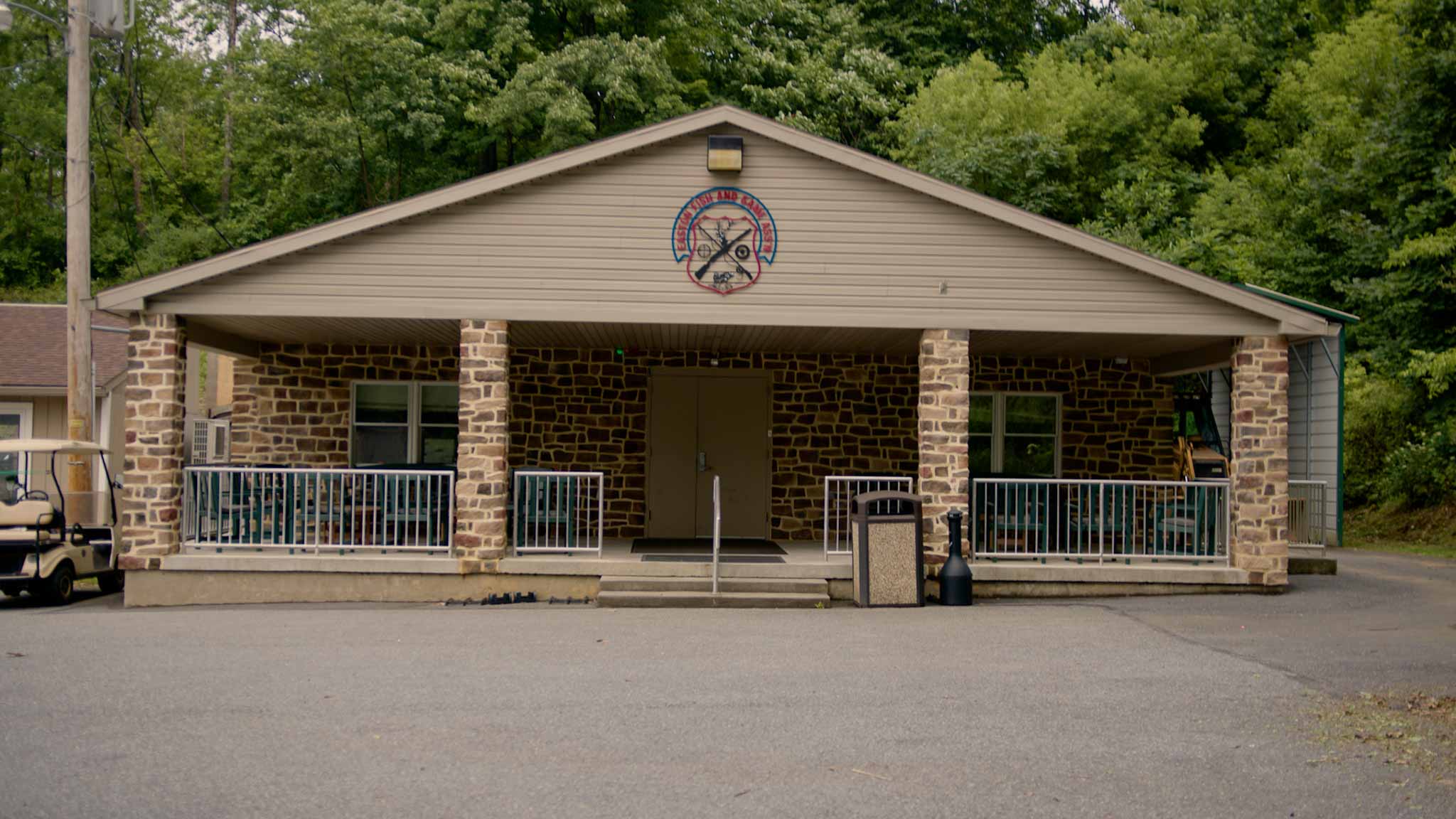
EFGA is a member-only club located in Northampton County Pennsylvania. The association was formed in the early 1900s and incorporated in 1935.
Our organization thrives on the dedication of our volunteers, and we are delighted to contribute to the shooting community’s growth and enjoyment.
1 May to 31 August
RANGE HOURS:
MON-SAT: 8:00 am TO 8:00 pm
SUN: 10:00 am TO 8:00 pm
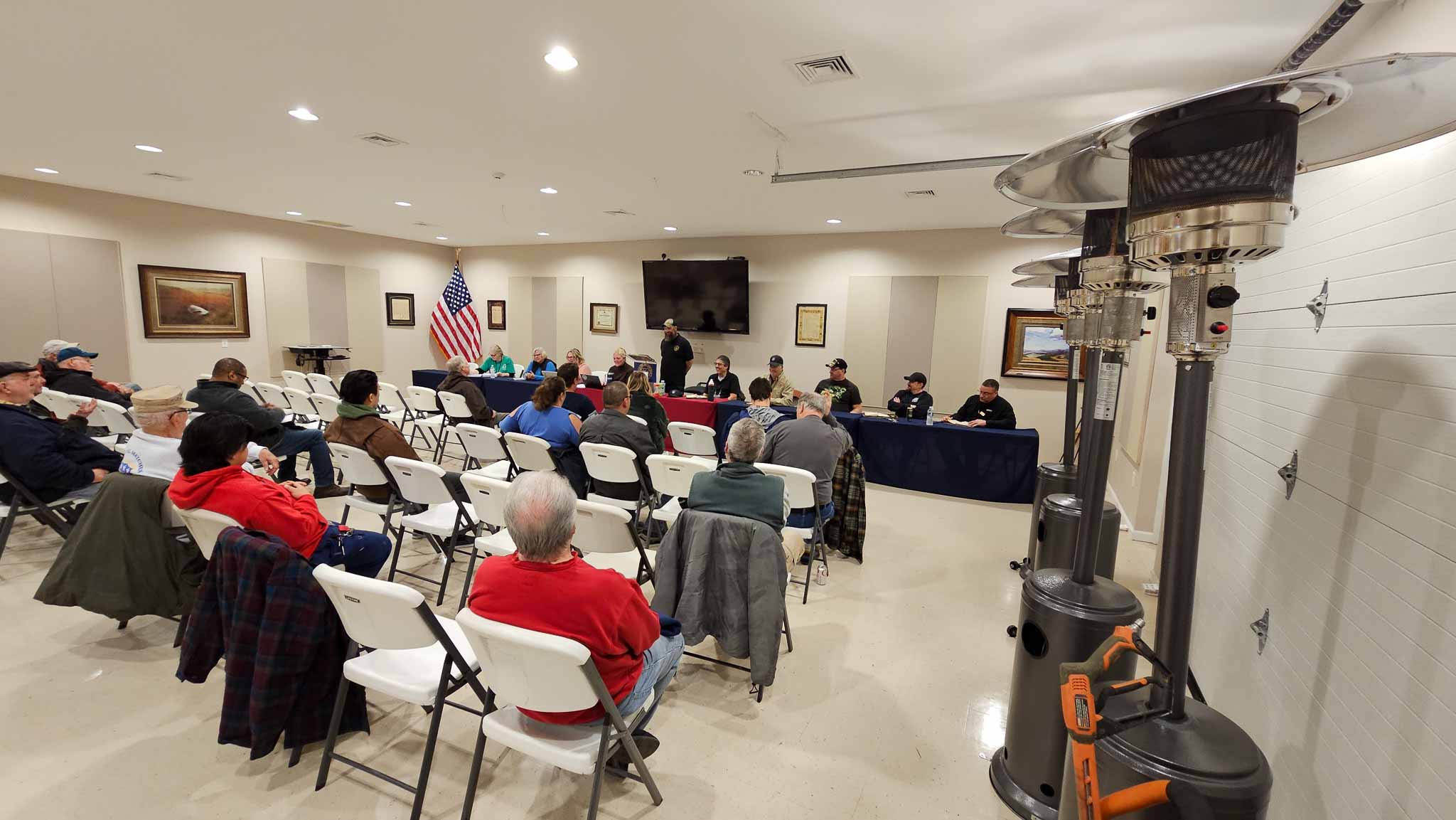
Members Meeting – last Tuesday of each month at 7:30pm

WEEKLY EVENTS
Saturday 05-11
- 8:00 am – 5:00 pm
-
IDPARifle Range, Action Range and Special Events Range CLOSED
- 8:00 am – 5:00 pm
-
NRA Basic Pistol.22 Caliber Range and Clubhouse CLOSED
Monday 05-13
- All Day
- 22 LR Range Closed
- Lower Parking Lot Closed
- Pistol Range Closed
Daily Forecast

 clear sky
66°F
Feels like 65°F°
clear sky
66°F
Feels like 65°F°


SHOOTING SPORTS

OUR RANGES
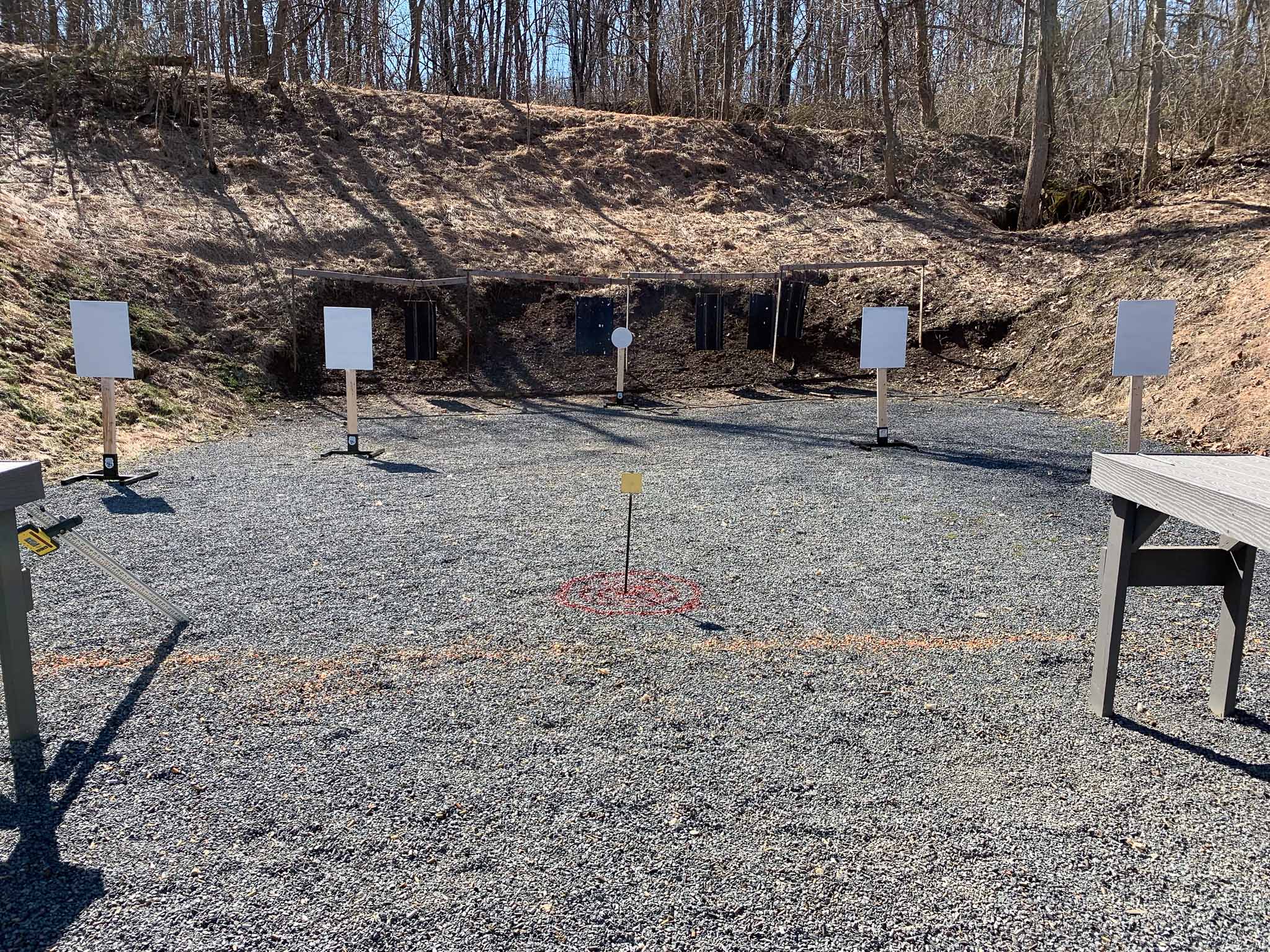
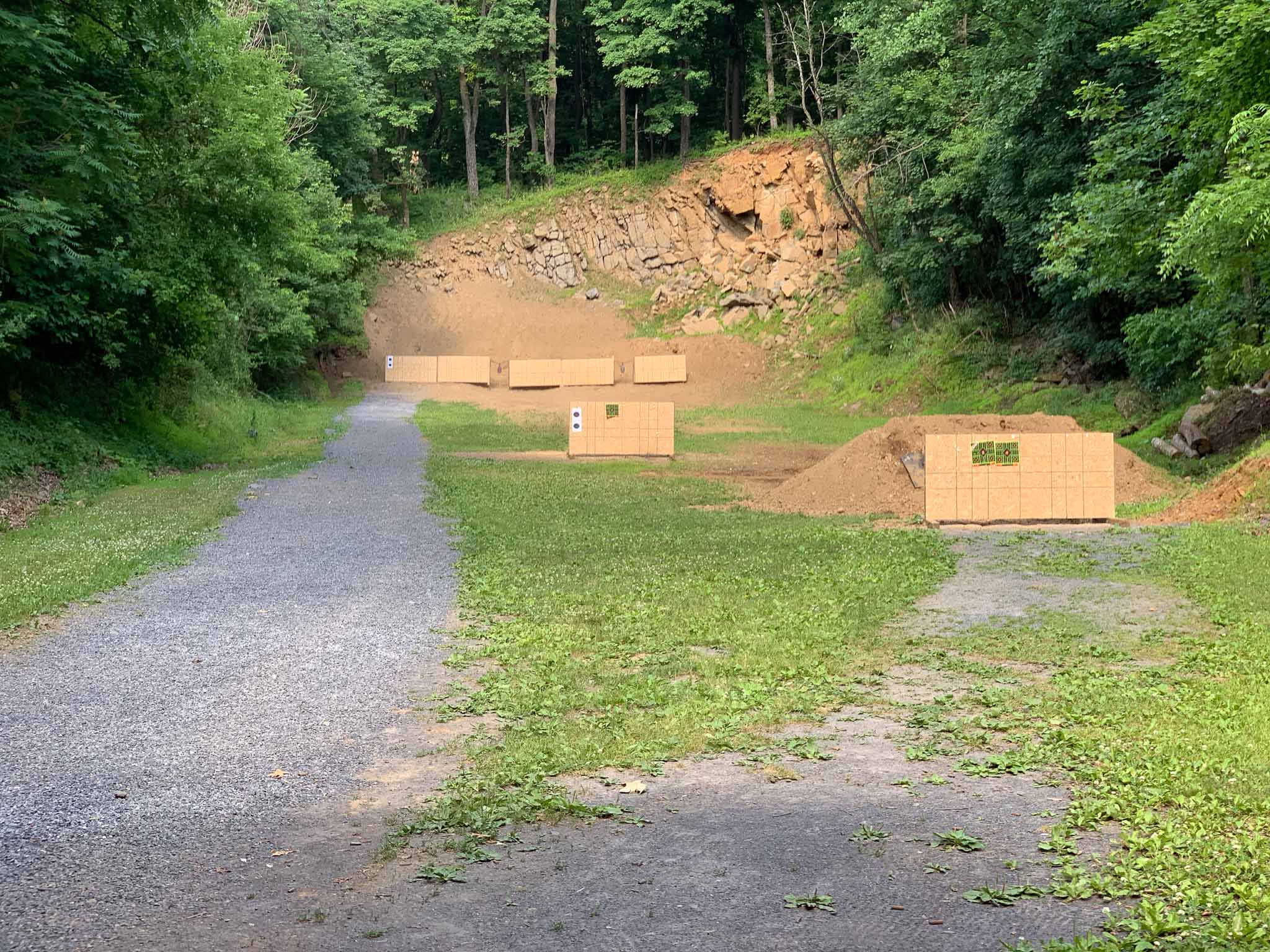
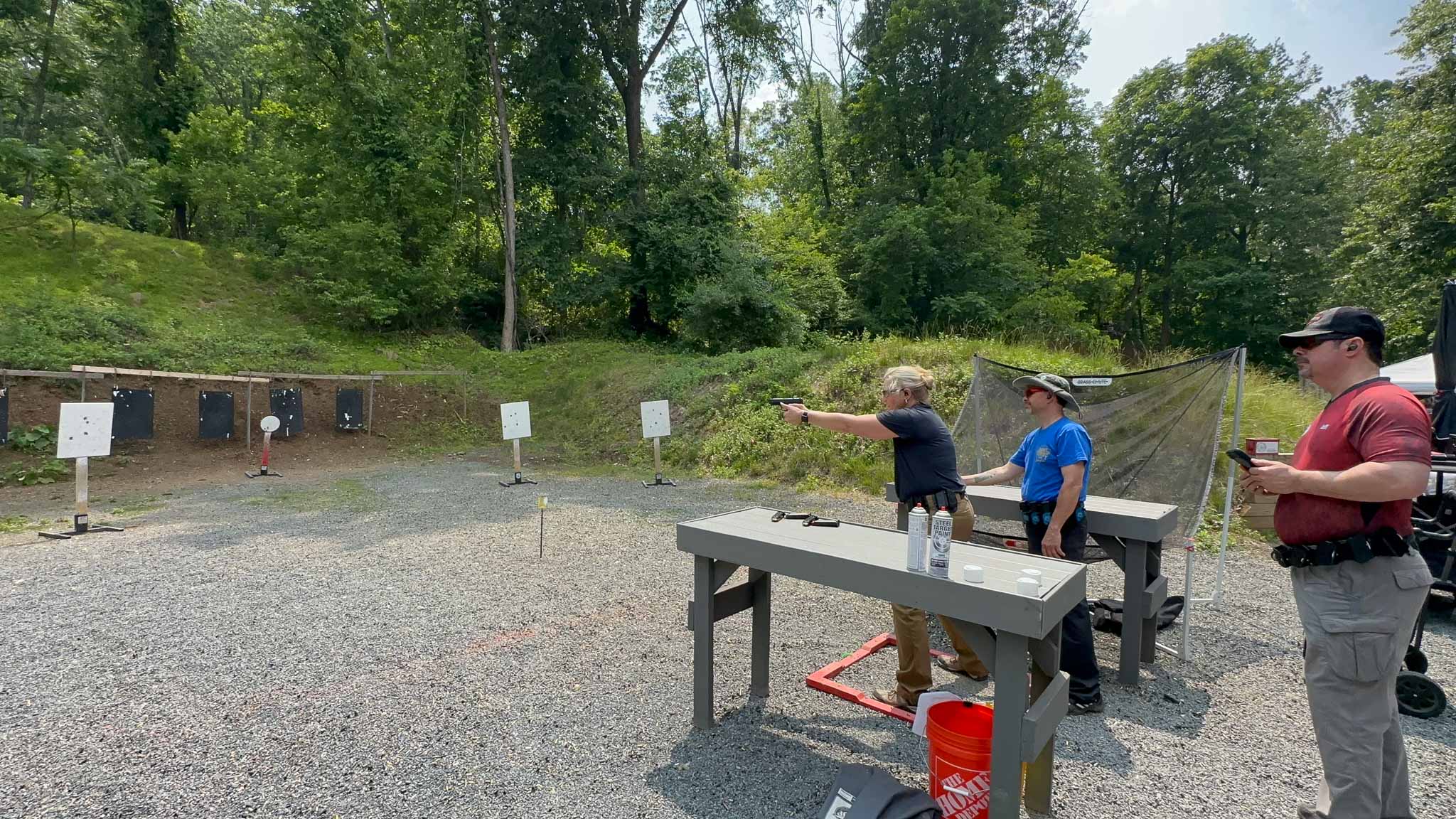
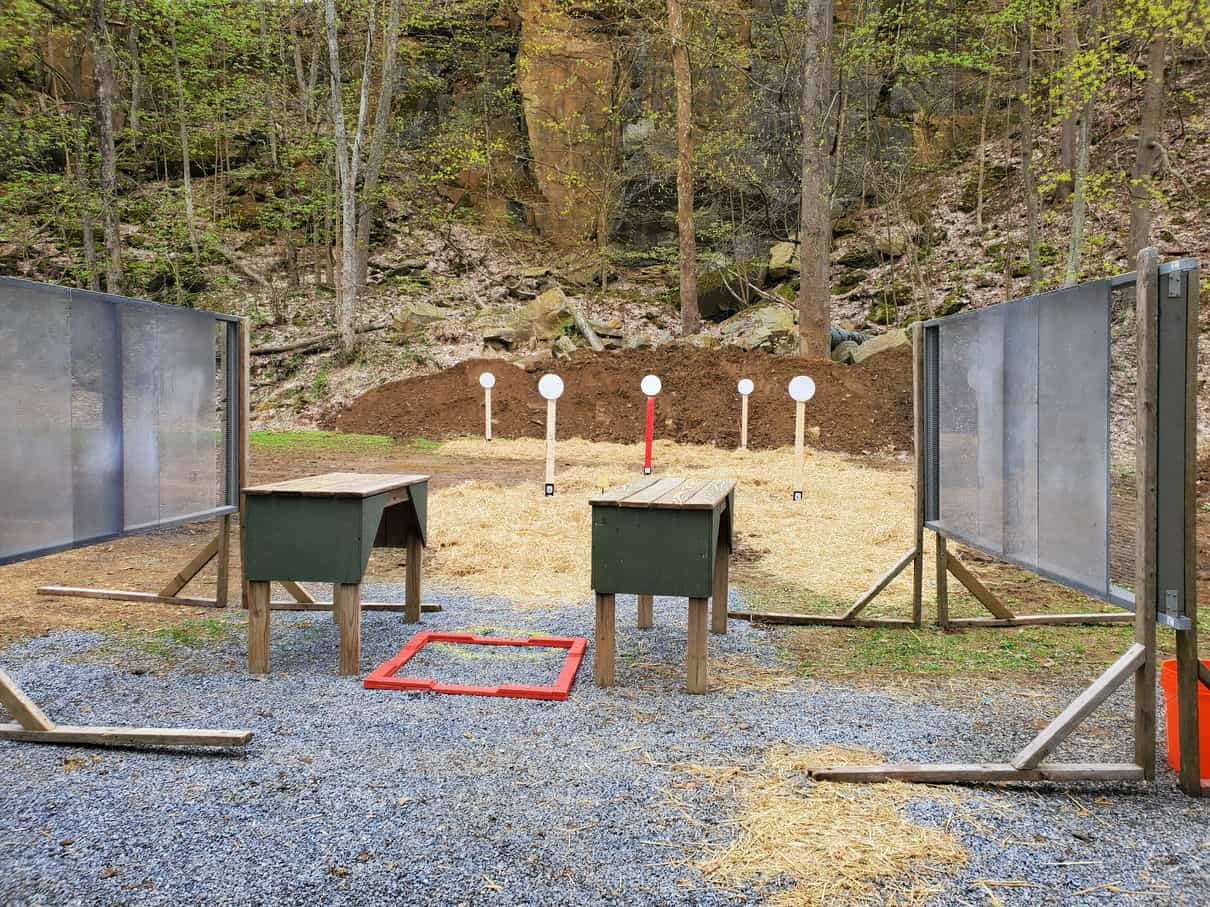
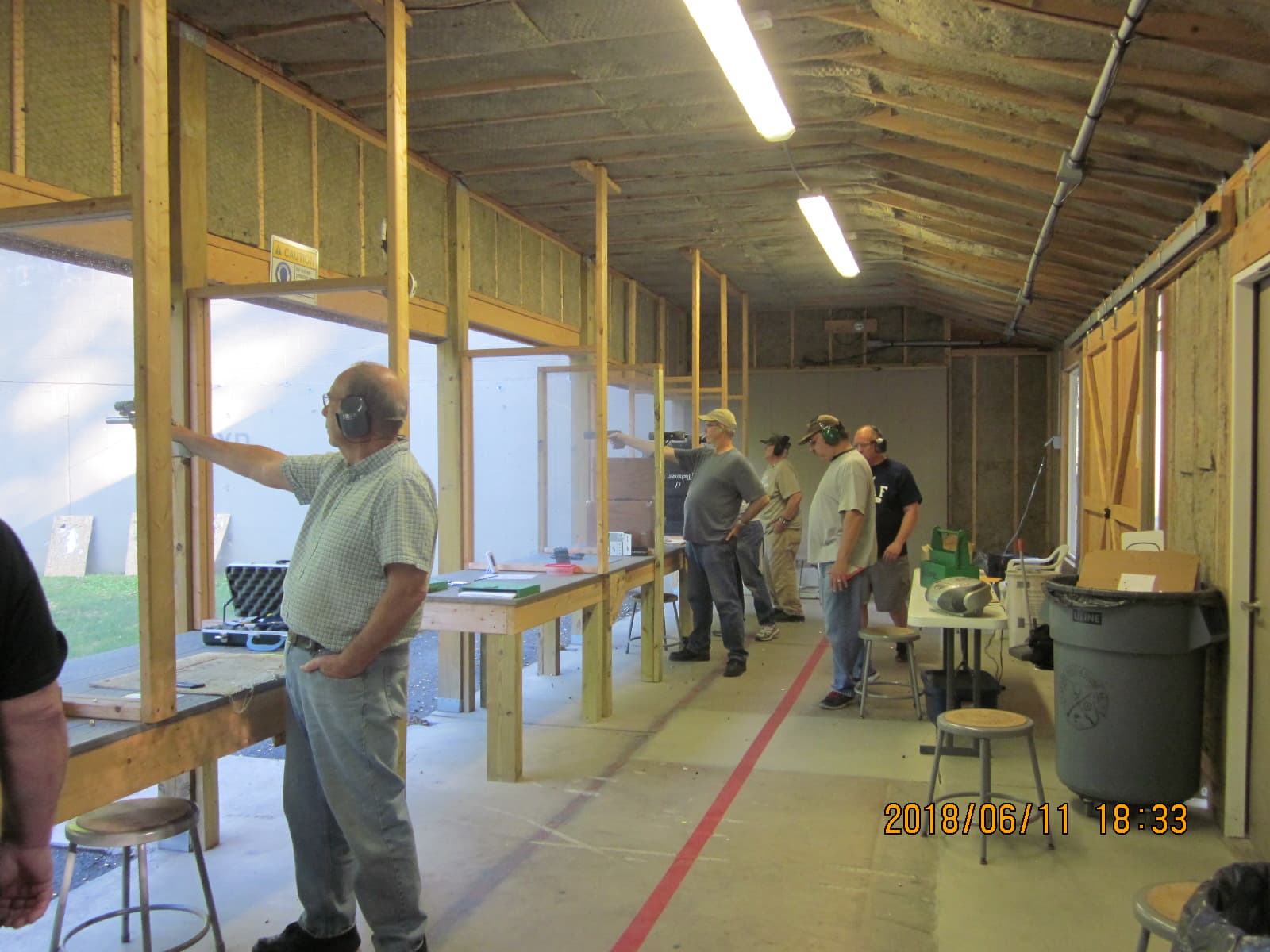
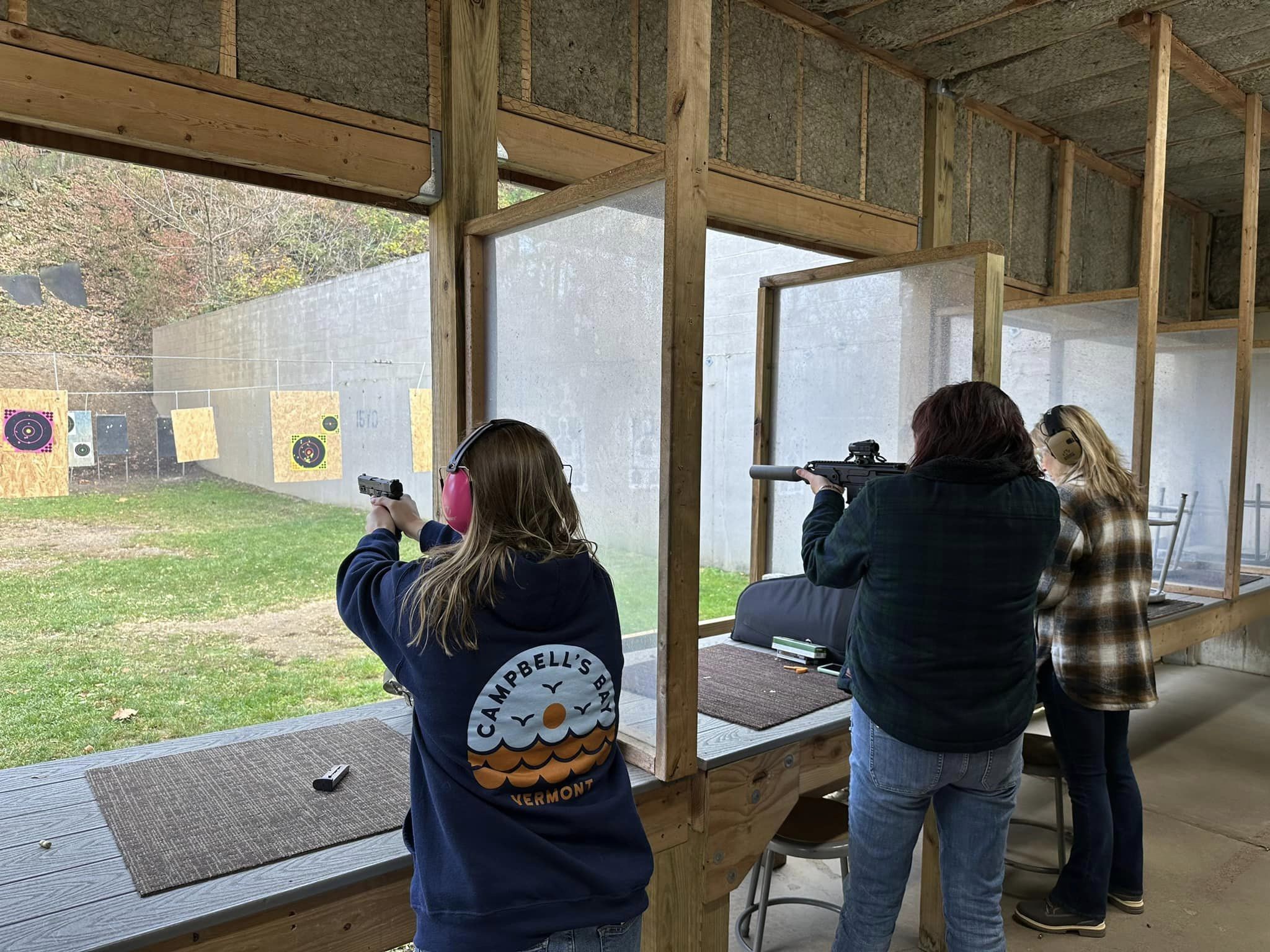
Members enjoy use of the 100-yard rifle range, 25-yard centerfire pistol range, 50-foot centerfire pistol range, 25-yard action range, and 50-foot .22 rimfire range.



25 – YD / 50 – FT Center-fire Pistol Ranges
Learn more about our 25-yard & 50-foot Pistol Ranges.

ANNUAL SHOOTING EVENTS
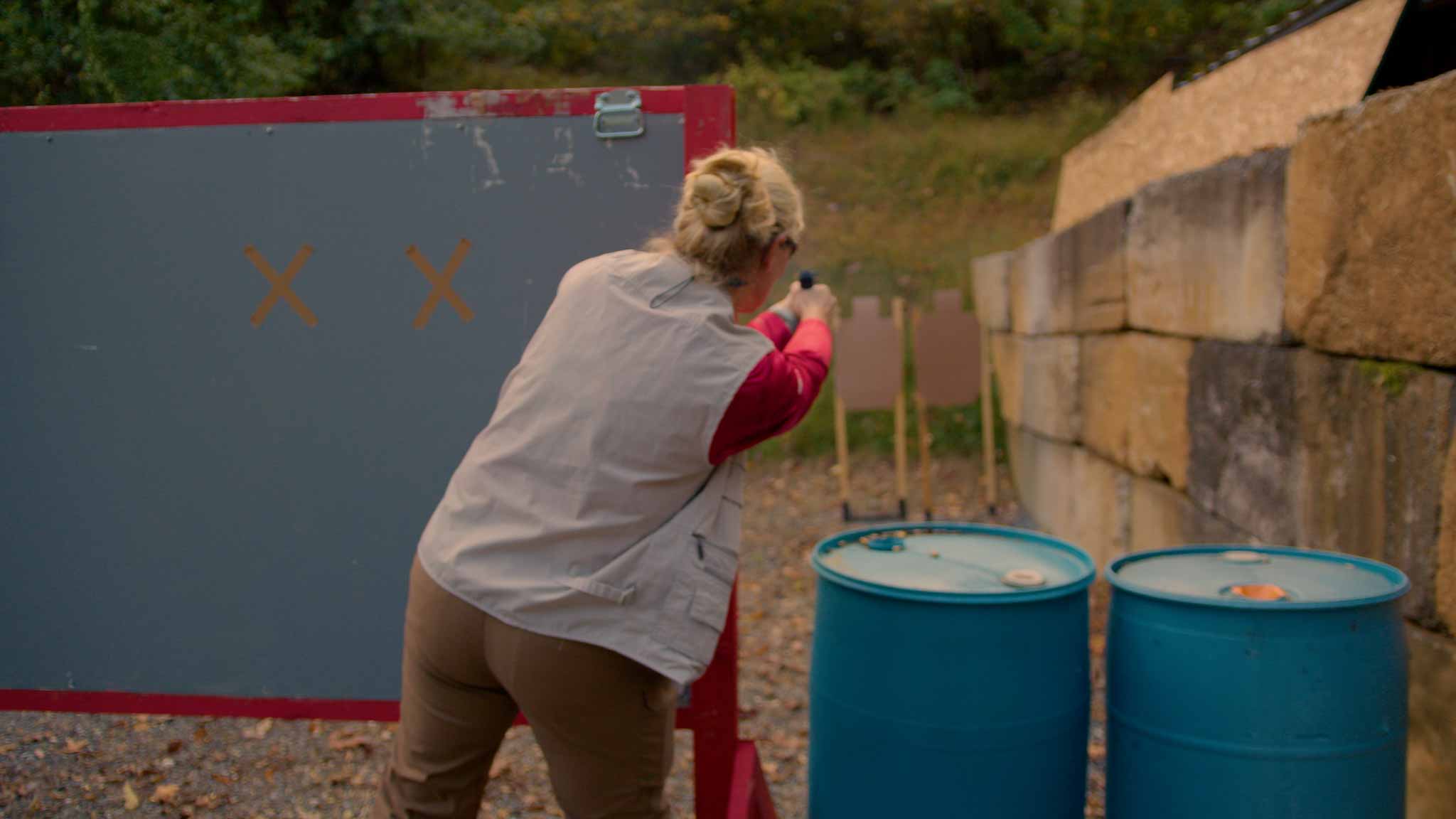
NRA Women On Target® Instructional Shooting Clinics create more opportunities for women to learn all about firearms, and to gain confidence in newly-acquired shooting skills.

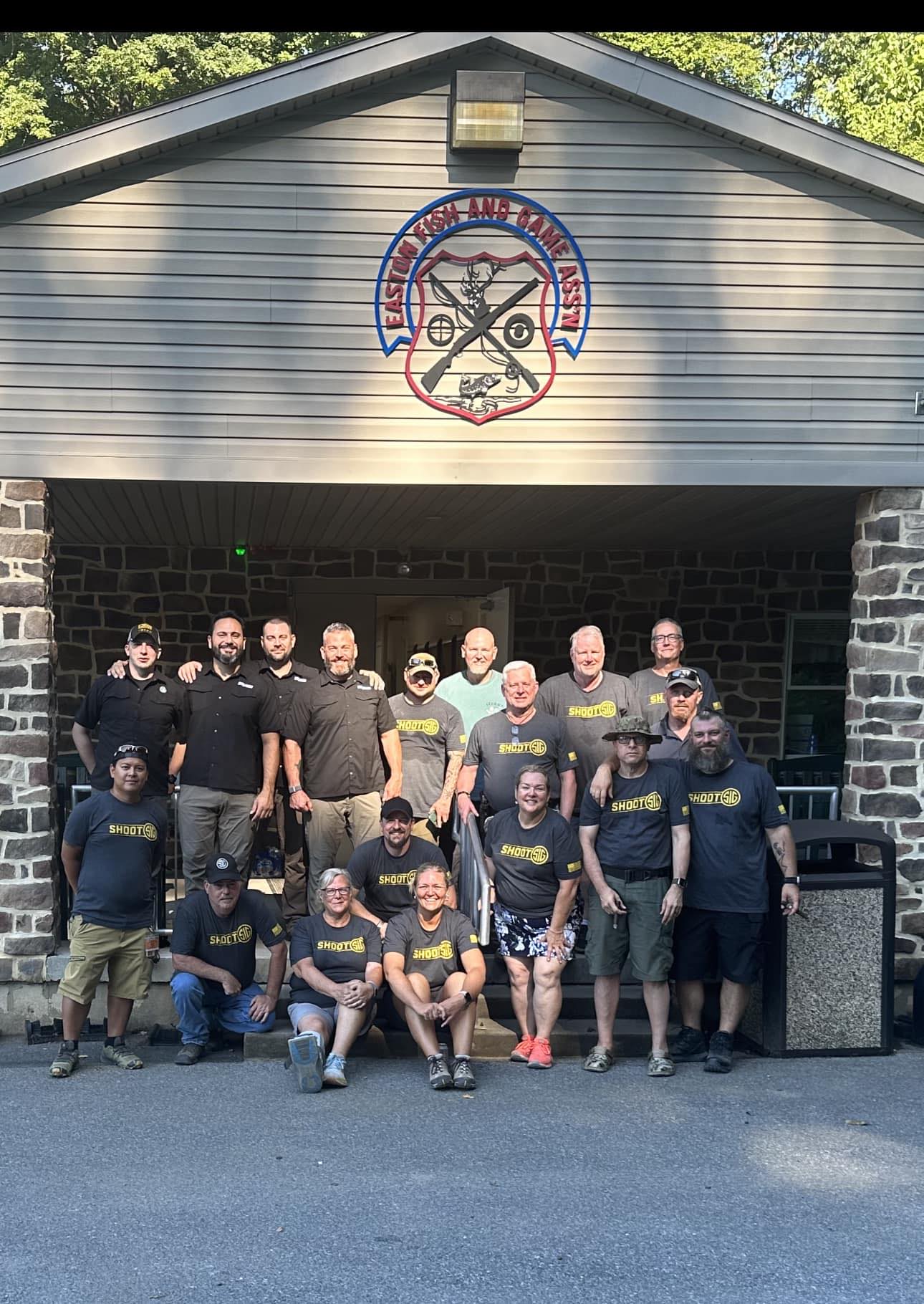
Shoot SIG is intended both to introduce new shooters to the shooting sports and for those of you with a competitive edge to further hone your skills. A demo range will also be set up to allow participants to try a variety of Sig Sauer firearms.
ABOUT EASTON FISH AND GAME ASSOCIATION
Easton Fish and Game Association is a members-only club located in Northampton County, Pennsylvania. The association was formed in the early 1900’s and was incorporated in 1935.
We have a 100-yard rifle range, a 25-yard centerfire pistol range, a 50-foot centerfire pistol range, a 25-yard action range, and a 25-foot .22 rimfire range.
The association is affiliated with a number of organizations, including the National Rifle Association, National Shooting Sports Foundation, Pennsylvania Rifle & Pistol Association, Pennsylvania Federation of Sportsmen’s Clubs, International Defensive Pistol Association (IDPA), Civilian Marksmanship Program (CMP/DCM) and Team USA-USA Archery .



Become a Member
1 Year Access to All Club Amentities
- Access to Shooting Events
- Access to Ranges 1-5
- Club Meetings & Giveaways
- Trainings & More
JUNIOR MEMBERSHIP
- Full Gun Range Access Accompanied By An Adult Member
- Junior Events and Competitons
- Training and Saftey Courses
GUESTS PASS
Members Can Purchase a Guest Pass
- Guest has Access to Shooting Ranges With Club Member